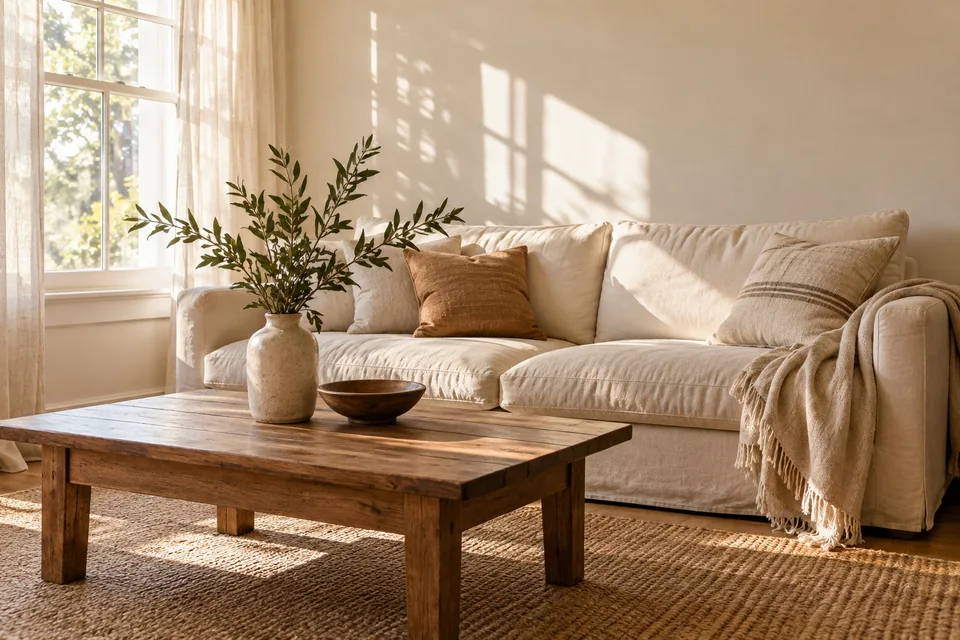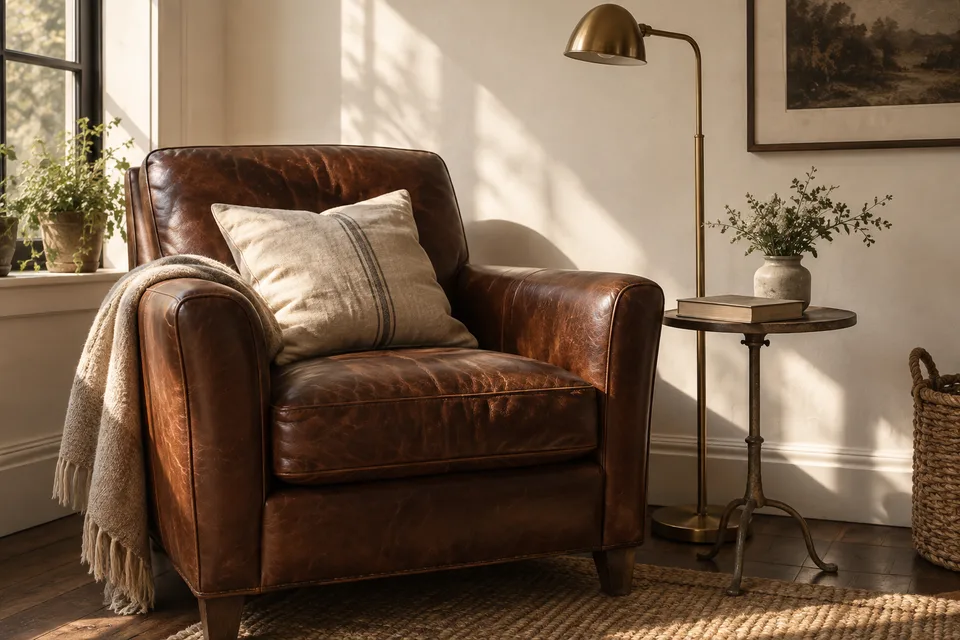
Build a reading corner around a seat you already enjoy, light suitable for reading, and a reachable surface. Test the spot at the time of day you will use it.
A reading corner sounds as though it requires a window seat, built-in shelves, and a quiet room nobody else needs. In practice, it can begin with a chair you already like and a little attention to how you use it.
The best place is one you will actually sit. A photogenic corner that is cold, noisy, or awkward to reach may lose out to an ordinary chair near the kitchen. Let comfort and convenience make the first decision.
Try the seat before designing the corner
Sit with a book for a little while. Notice your feet, your back, and where your elbows naturally rest. Adjust with a cushion or foot support if that suits you, but do not assume accessories can fix a seat that is fundamentally uncomfortable.
Think about the people who share the room. If the chair blocks a common route or needs to be moved constantly, it may be better to choose a less obvious place. A shared room can support a private moment without being permanently rearranged around it.
Check the light at reading time
A corner may look bright in the afternoon and become difficult to use after dinner. Test it when you are most likely to read. Position a suitable lamp so it lights the page without an uncomfortable glare, following the fixture’s instructions.
Keep electrical cords out of walking routes and avoid makeshift arrangements. If the space needs electrical work, have it assessed by an appropriately qualified professional. A reading corner should remain easy and safe to use.
Put a surface within comfortable reach
Use an existing side table or another stable surface suited to the purpose. Check its height from the seated position. You should be able to place a book or cup down without stretching awkwardly.
Keep the surface simple. A lamp and a coaster may be all it needs. If you add decorative objects, leave enough room for the activity the corner is meant to support. It is a reading place before it is a still life.
Store a small selection
Keep the book you are reading and perhaps one next choice nearby. A basket or shelf can help if it does not crowd the floor. Avoid creating a stack so large that the corner feels like another unfinished task.
If you borrow library books, give them a distinct place so they are easy to find when due. If you read digitally, keep charging arrangements practical and follow the device manufacturer’s guidance.
Let the corner stay ordinary
You do not need a special blanket, matching chair, or new collection of books to begin. Use the space for a week before adding anything. Notice whether you reach for it naturally and what, if anything, gets in the way.
The small living room reset can help make room for a shared reading spot. Keep the changes modest enough that they serve the habit instead of becoming a separate project. A corner earns its place each time you enjoy sitting there.
A few good questions
What do I need for a reading corner?
A comfortable seat, appropriate light, and a place for your book or drink. Storage and decoration are optional.
Can a reading corner share space with another room?
Yes. A living room chair, a bedroom corner, or a dining chair that is comfortable for you can serve the purpose.
Published and reviewed October 6, 2026. Editorial disclosure.